Radius
Fostering Academic Integrity
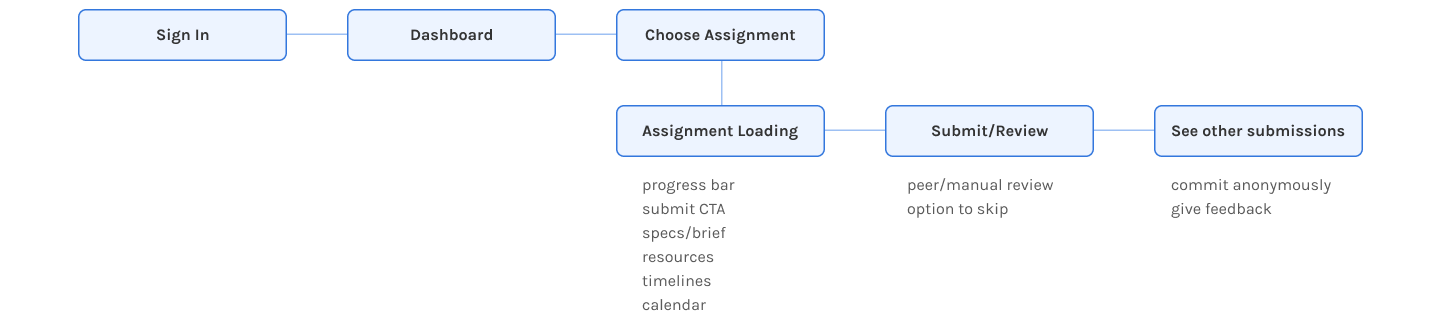
An assignment submission tool which helps students manage and submit course projects. Academic integrity is encouraged by adding transparency to students and their work. Allowing classmates to see your work not only provides motivation, but a social incentive to be honest.
This was a team project awarded 2nd place for Adobe's GTA Creative Jam.

Design an app that encourages, empowers and fosters a community of academic integrity.
Timeline
November 2019 (4 hours)
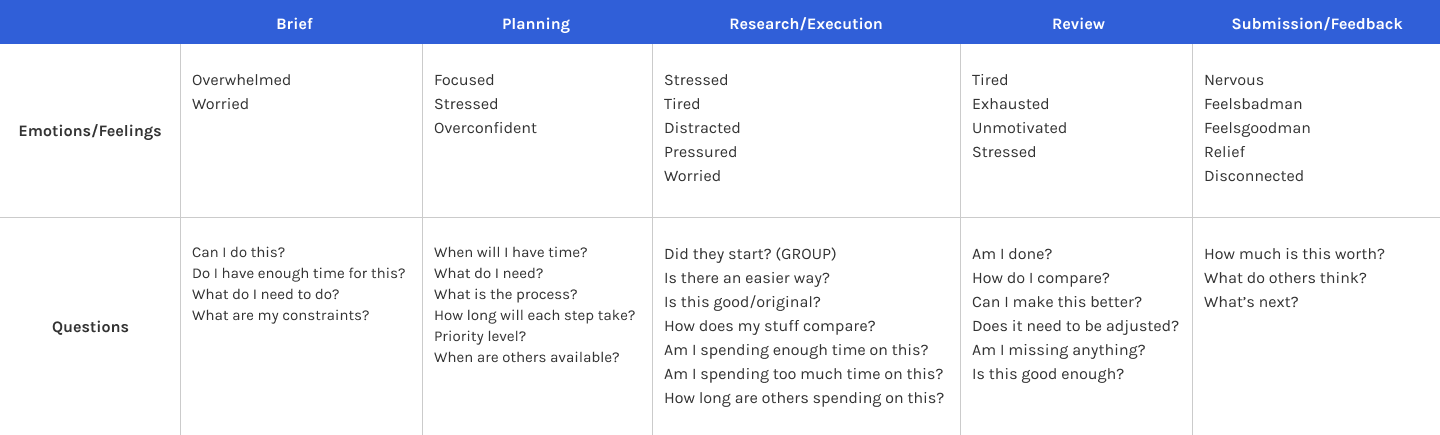
Students feel like they need to cheat to be the smartest person in the class and gain an advantage over their peers.
Students cheat to impress others or seem 'cooler', as well, some feel pressure to be smarter from adults.
When failing a class, students are more likely to cheat so they won't have to retake the class (delaying graduation).
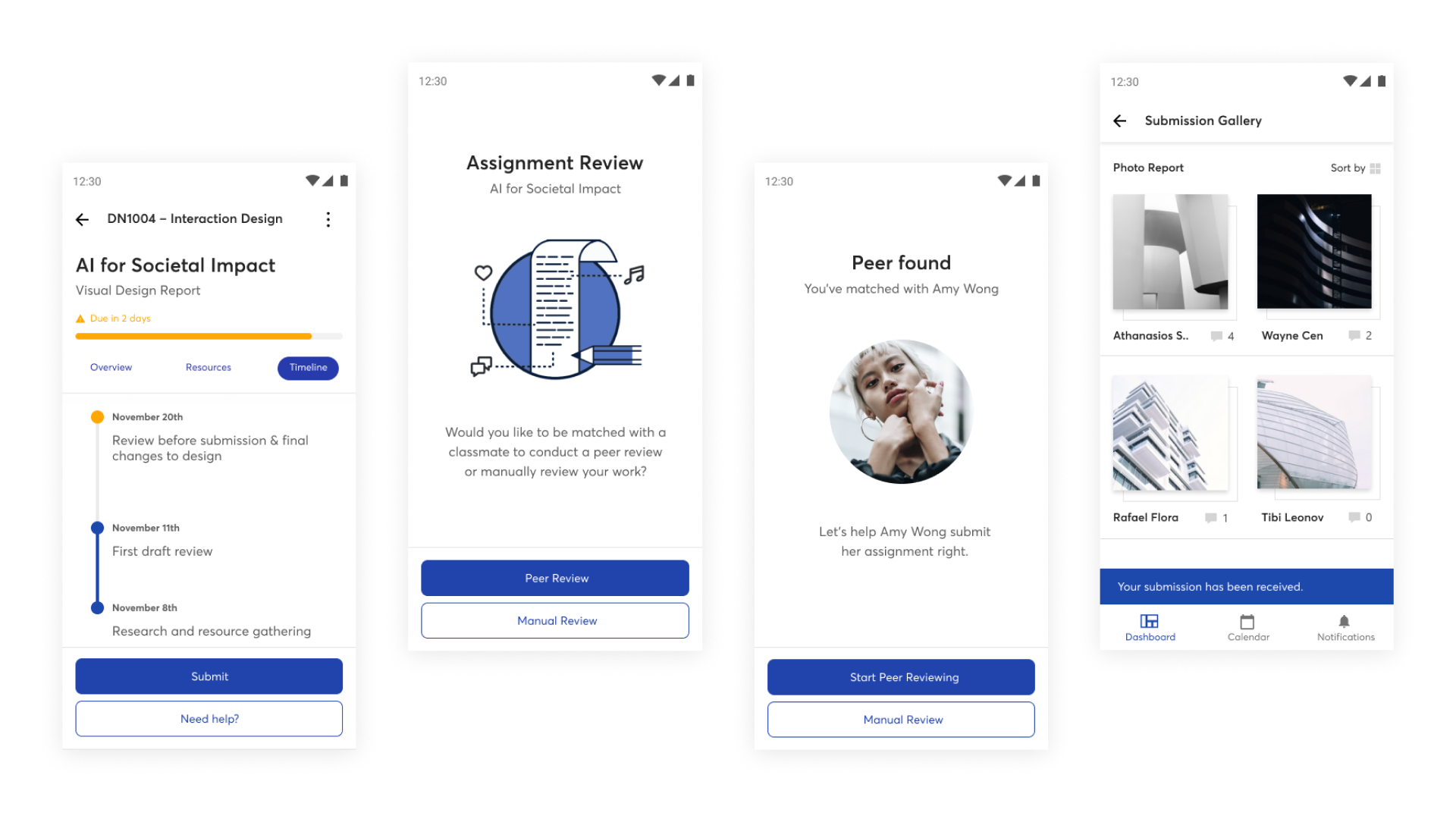
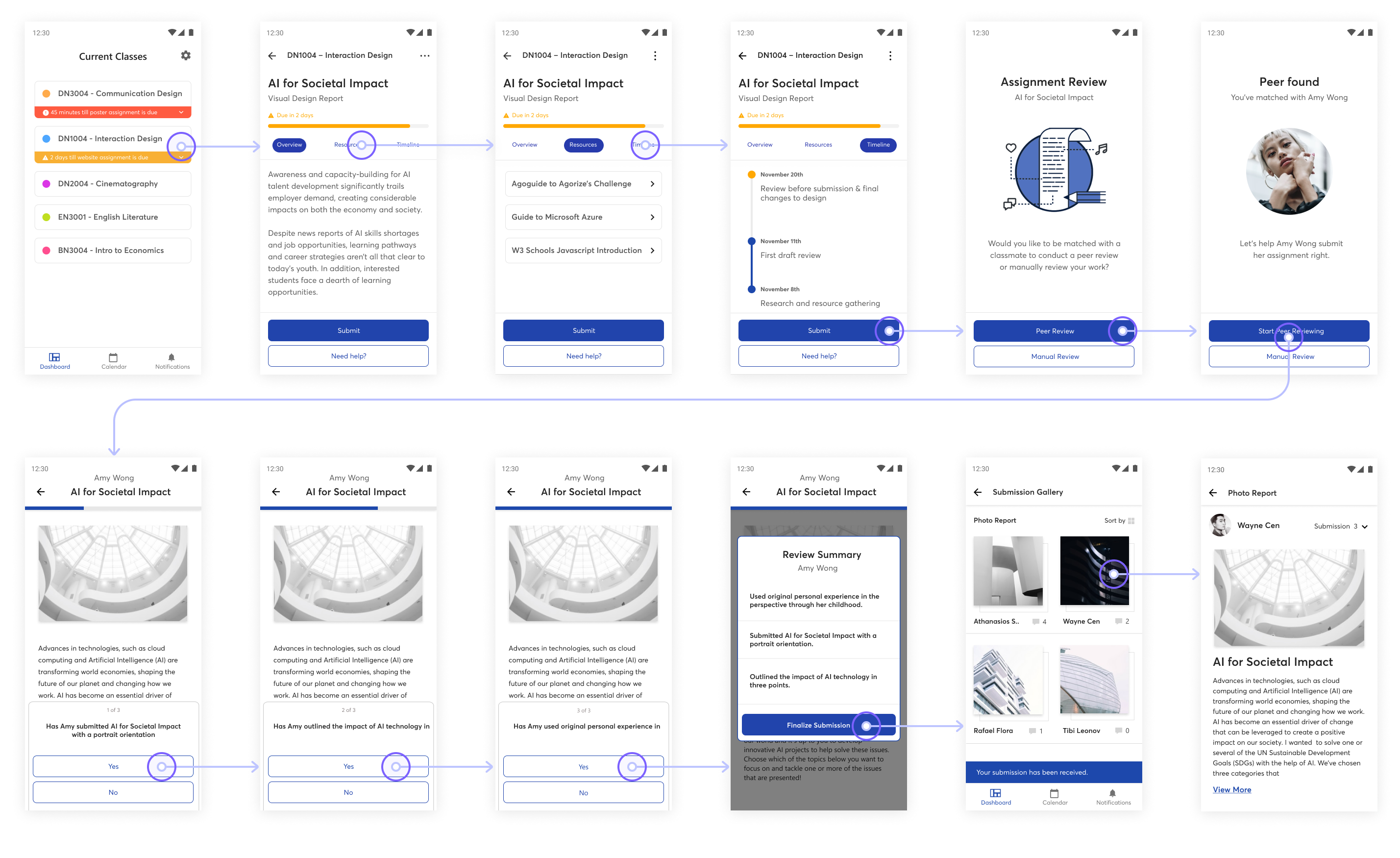
"This will be a great, easy sell to the professors. Professors are now going to have the students do peer reviews and check their work — that in itself is a great notion. I also like the notions around connecting individuals within the class, teeing off the implicit values of academic integrity. Really like the fit and finish, there was a lot of attention towards the layout of the elements and the way it would flow through felt very consistent."
Dan Harrelson
Vice President of UX Design @ Informatica
"One of my highlights of your presentation was the time you spent empathizing with students at the beginning. It stood out as you spending a great deal of time thinking about how students actually feel and how it'll influence the experience. I think that actually shone through the most in the peer review system. Great work!
Archie Bagnell
Senior Experience Designer @ Adobe
"I think the visual language communicated here is very strong. In terms of developing trust with someone, I'm curious to see how that would integrate into other well-established social networks and how it would translate into a space like this one. This is very solid, professional work. Well done."
Paul Mendoza
Designer & Copywriter @ UCLA
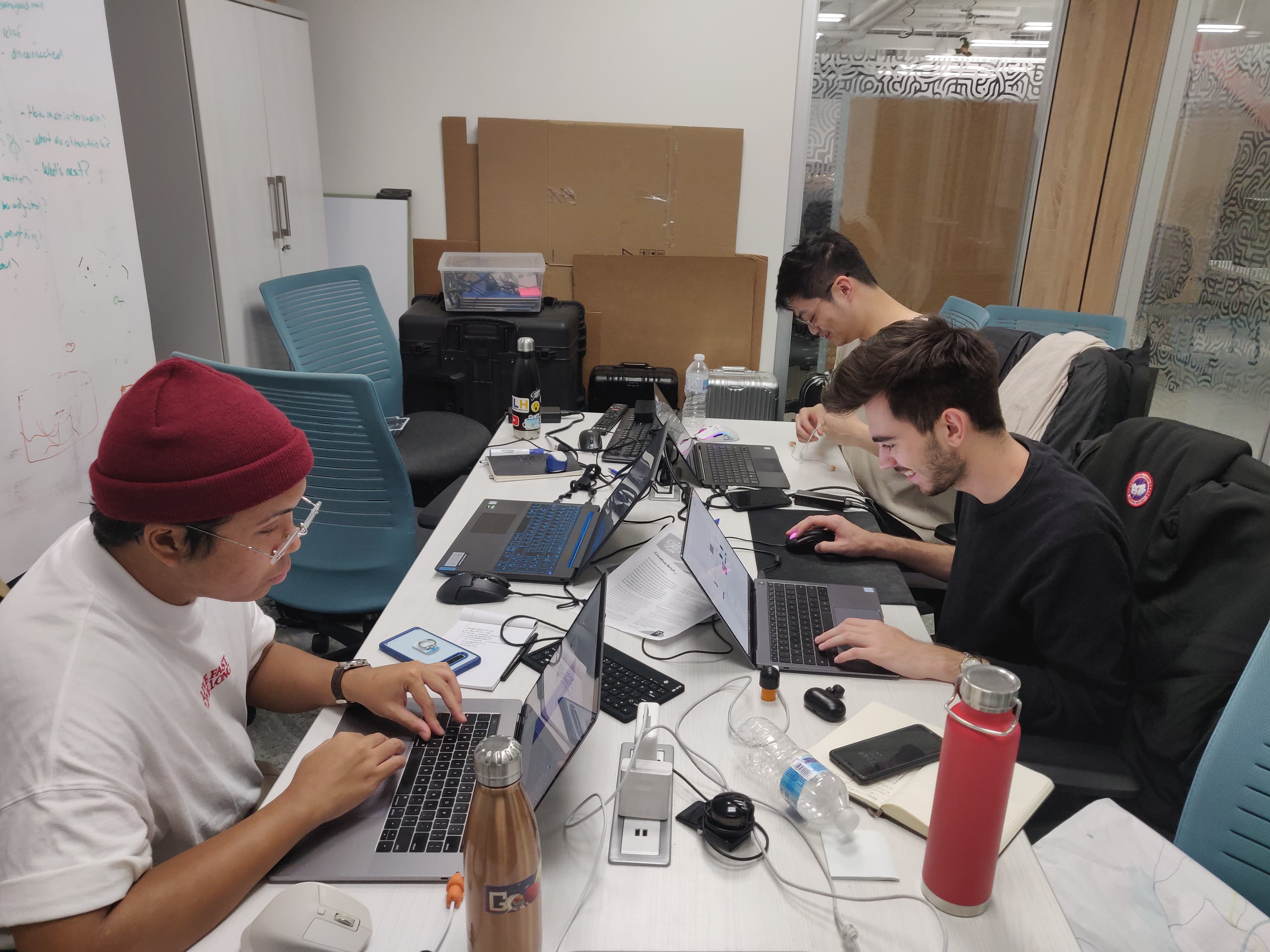
Having four hours to design a prototype seemed like an impossible task, but we pulled through due to everyone's unique design background. Our discussions helped me grasp a greater understanding on how to make meaningful choices for the user.
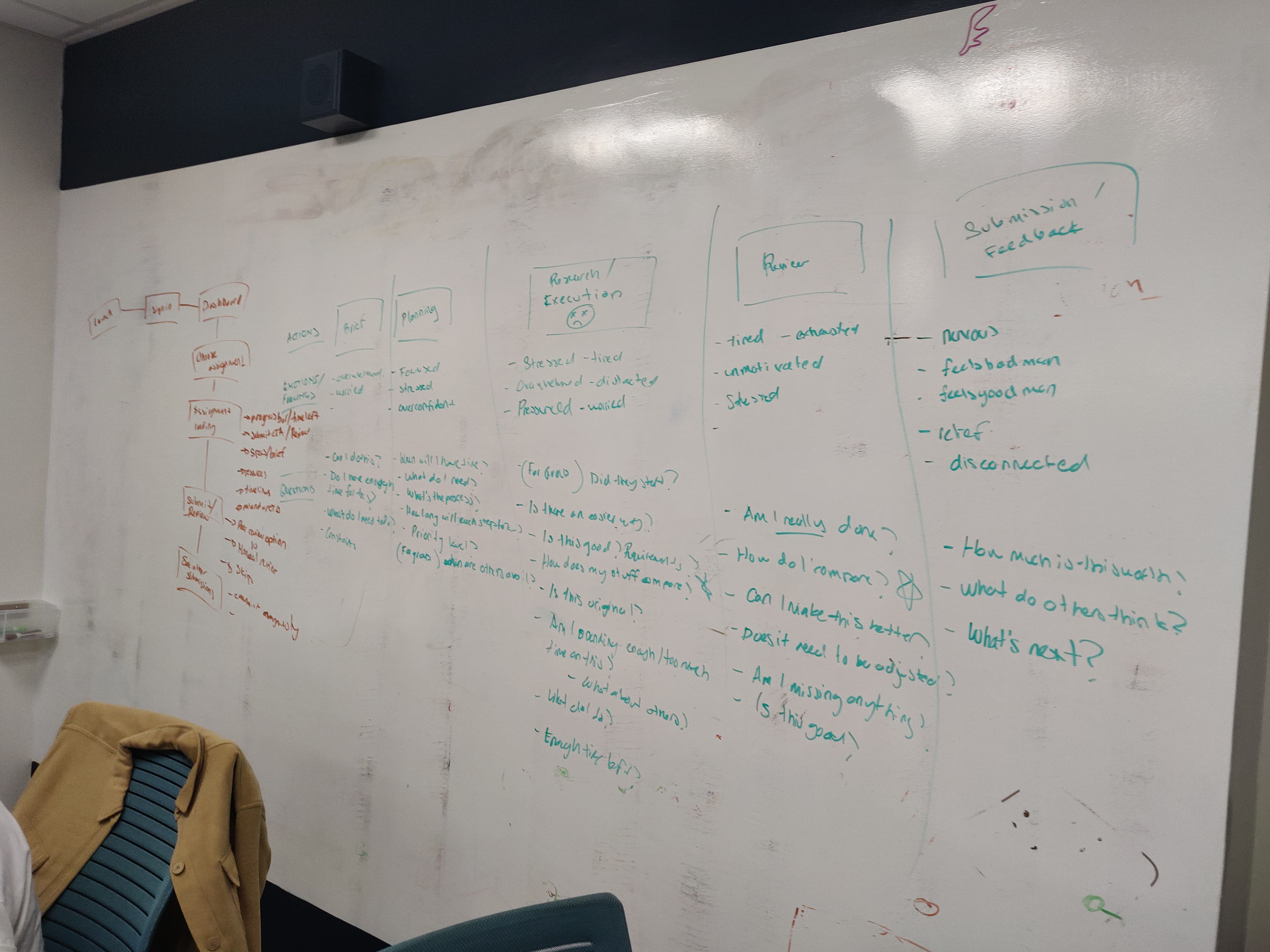
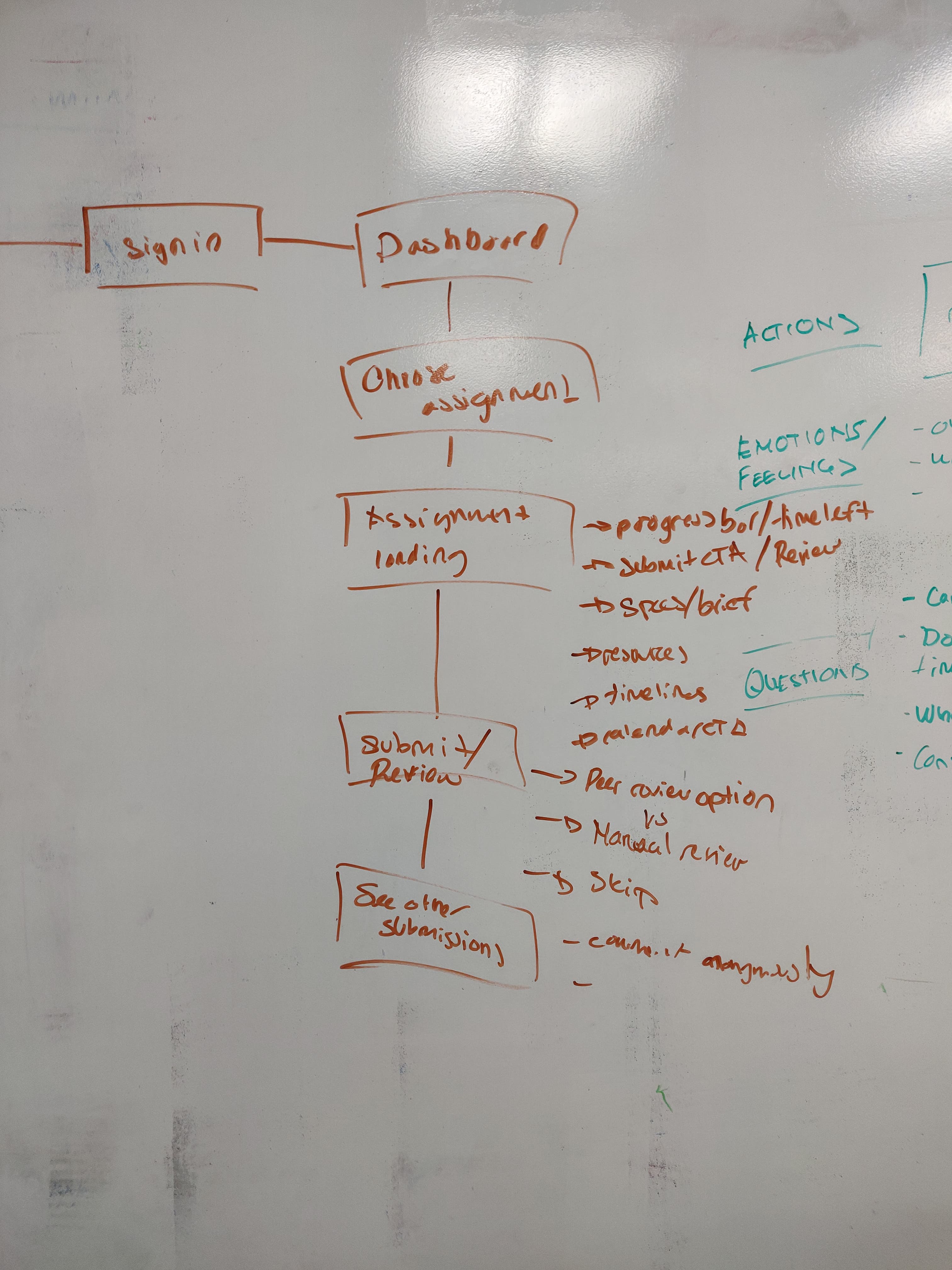
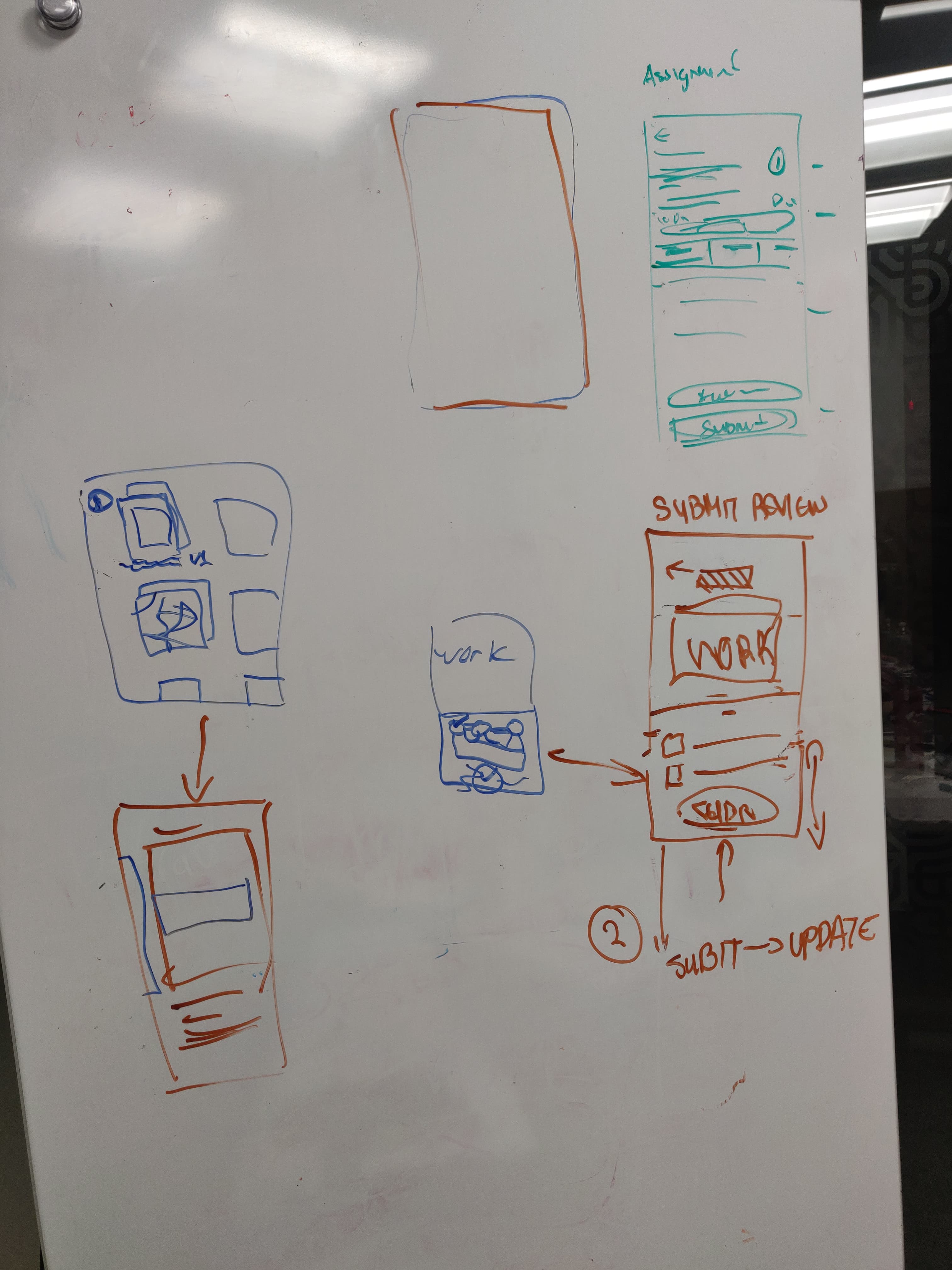
Spend time nailing down the design thinking — one of the things I embraced while working with this team was the amount of time we spent really trying to understand the problem space. In total, we spent a bit more than two hours conducting research, a user journey workshop, exchanging ideas and sharing our understanding of the user experience. The foundation of our solution had to be solid before we hopped on our laptops.