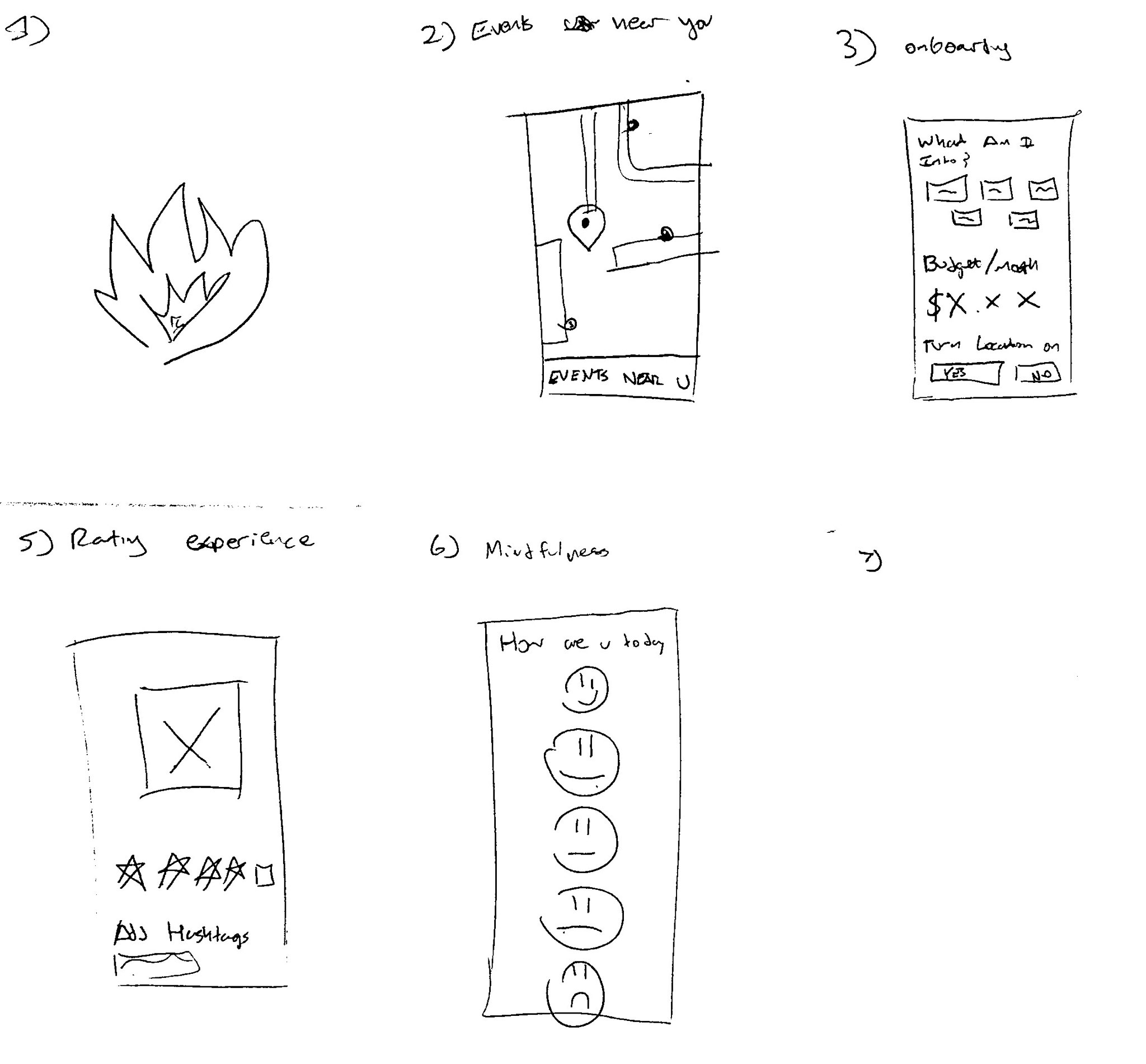
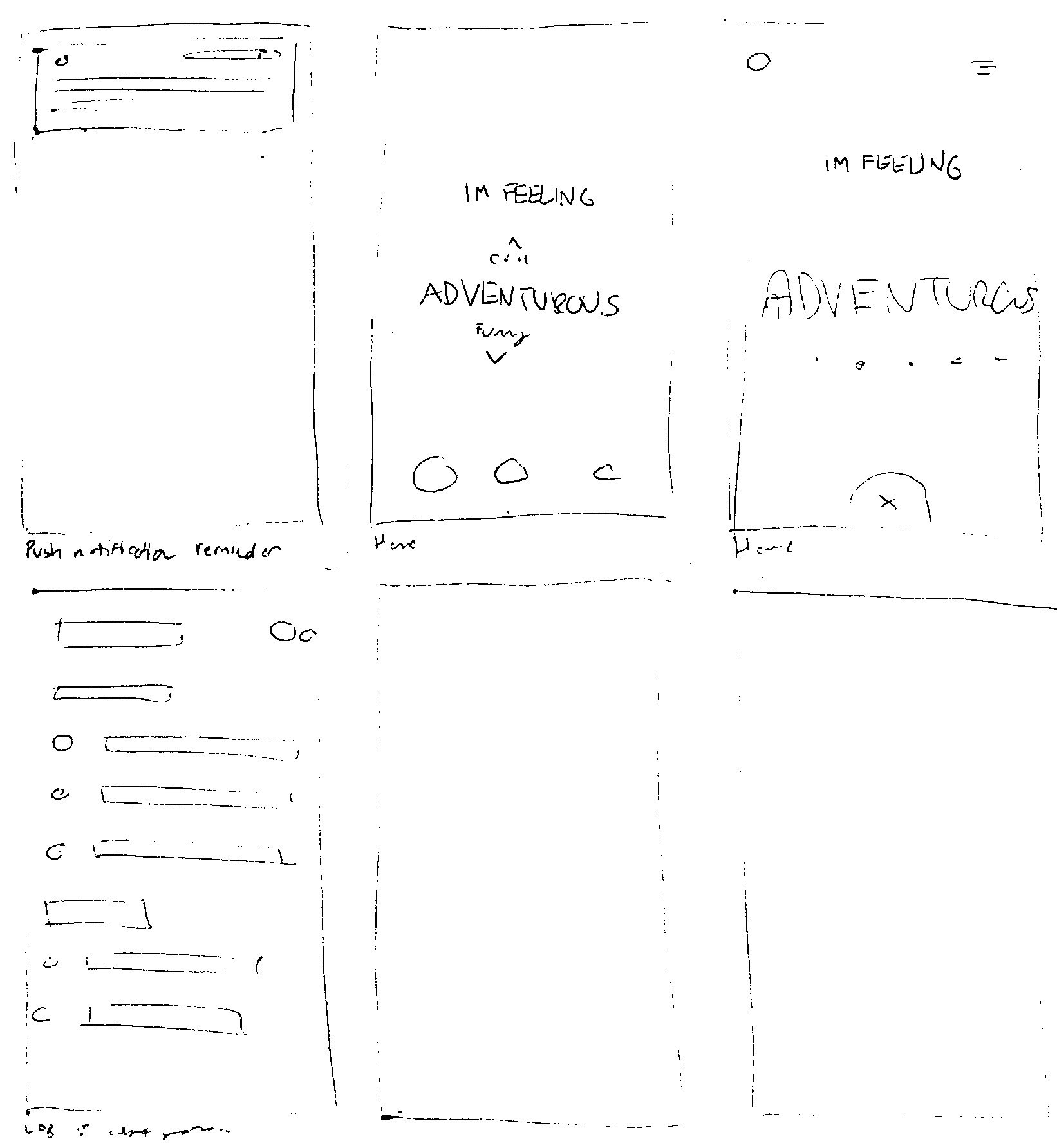
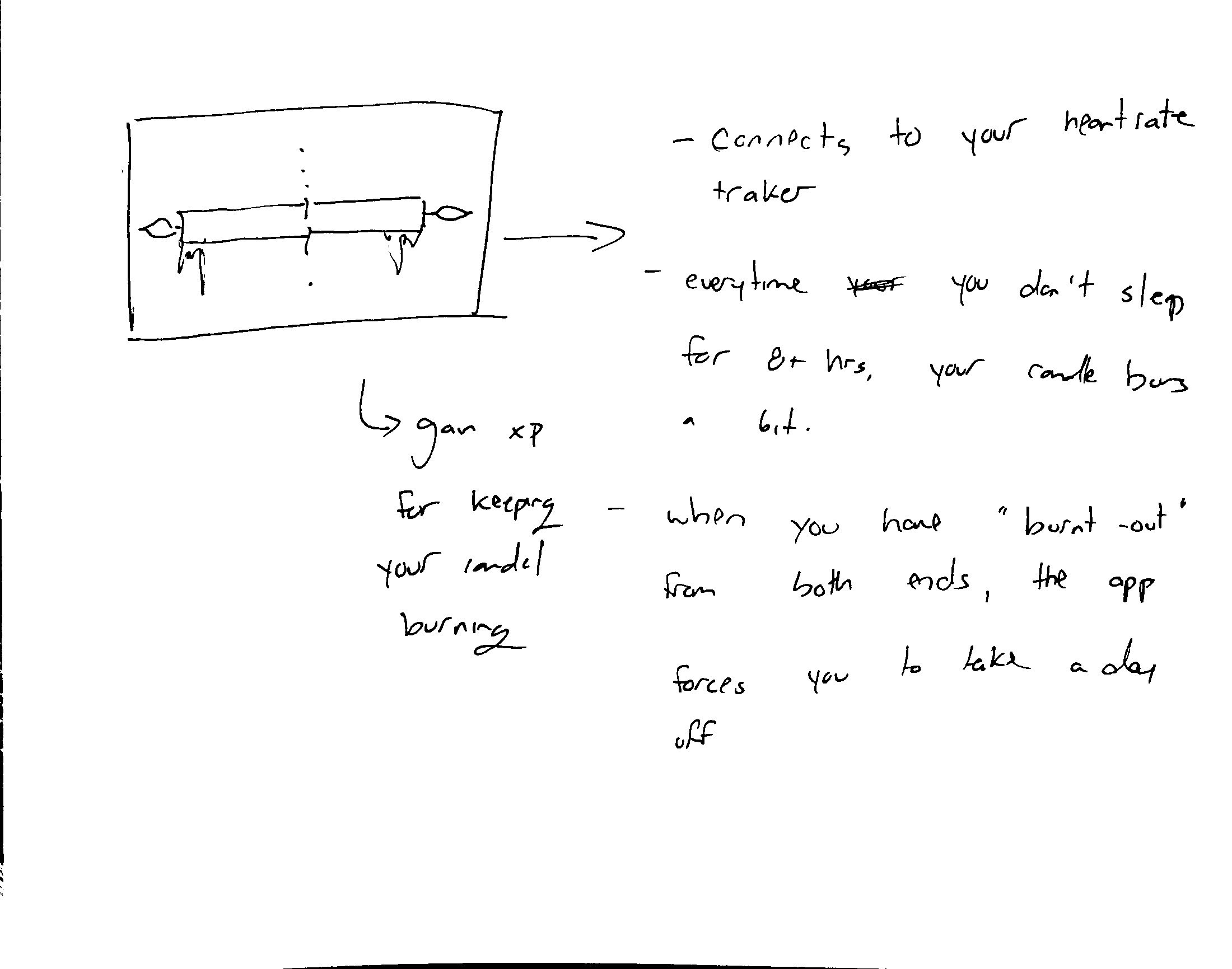
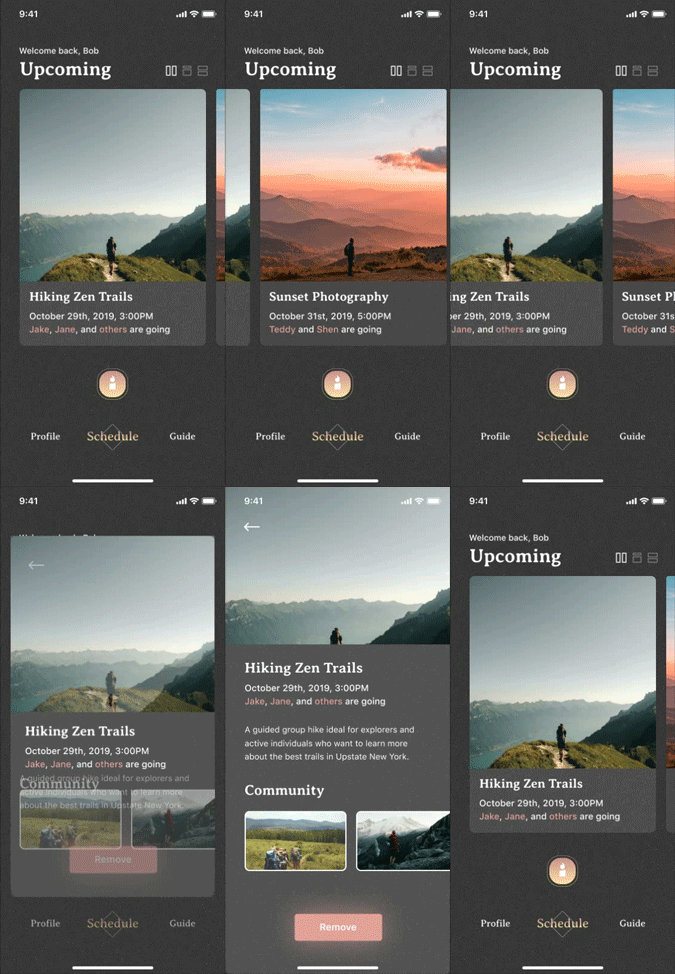
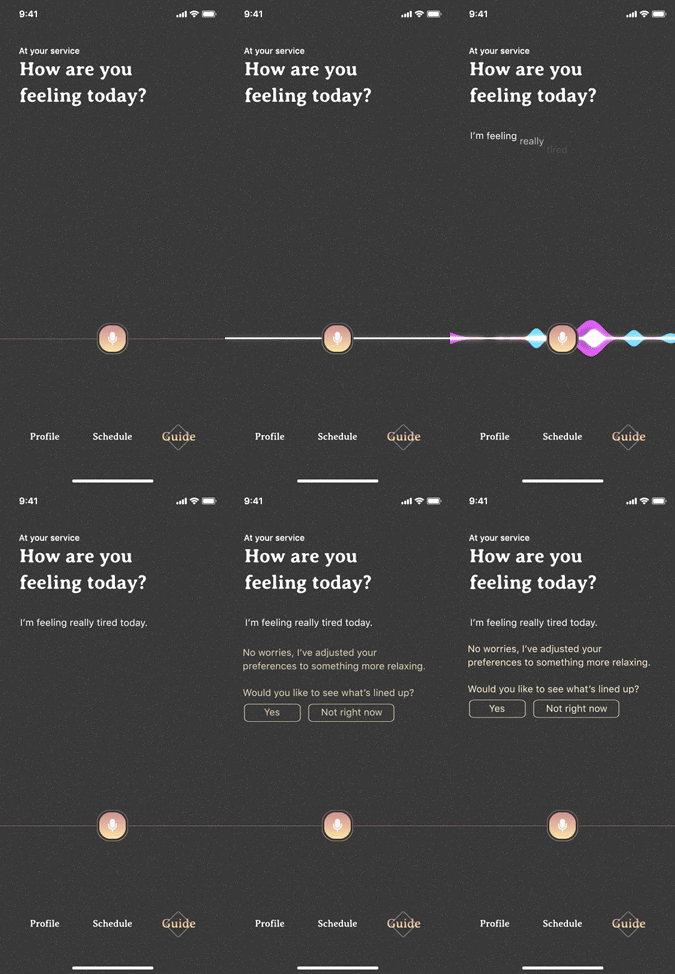
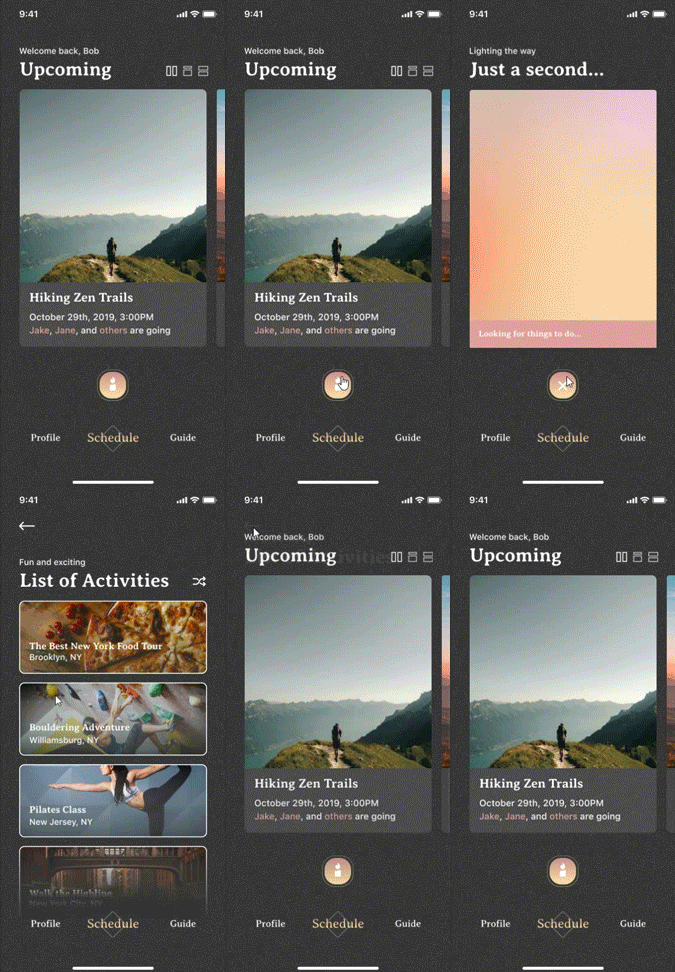
Lit is a mobile app which helps users discover new interests, enjoy life, and form new social connections. AI generates a list of activities and events based on the user's location, preferences, mood, and many more variables.
This is a solo project designed for an interactivity course.
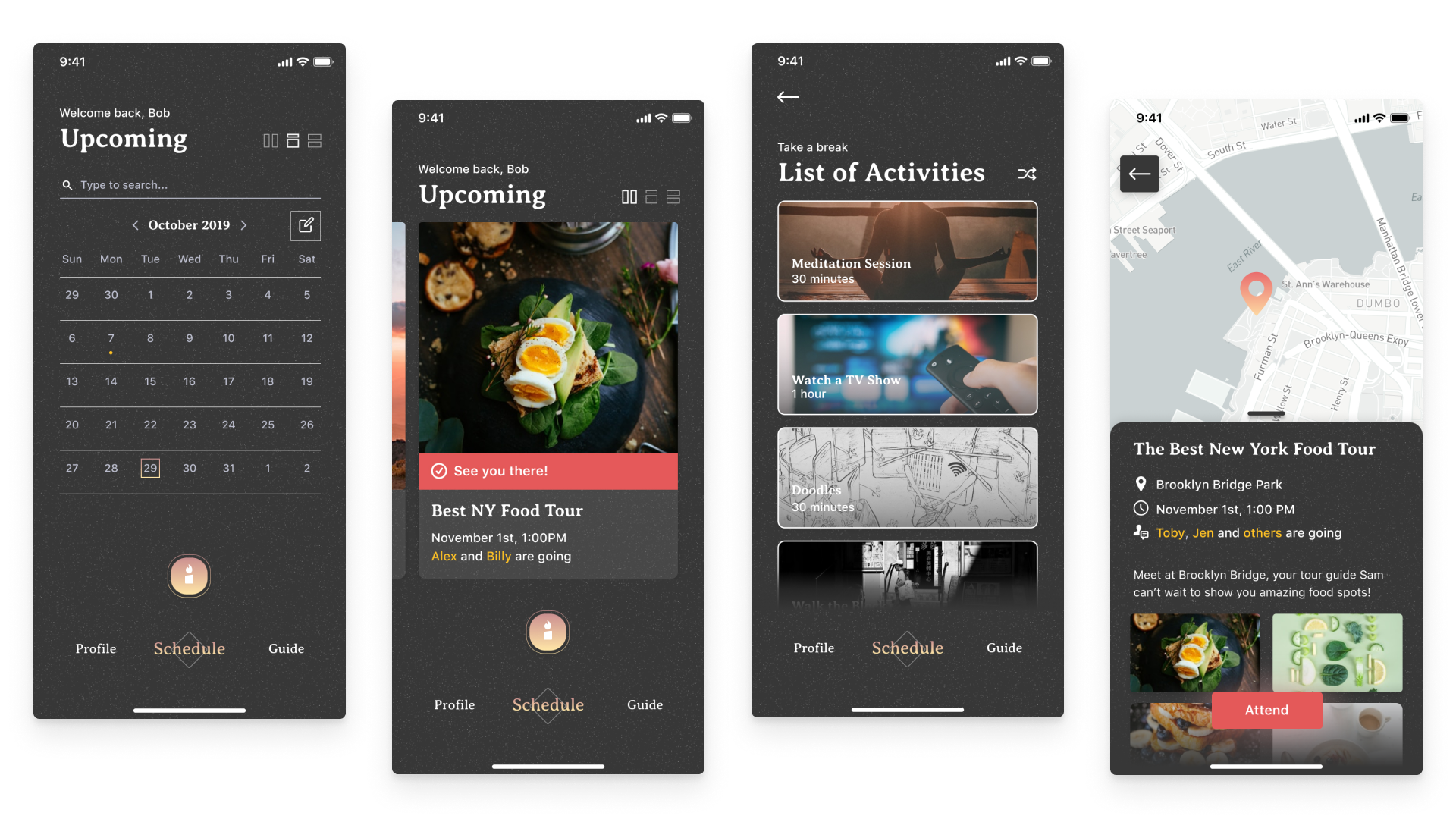
I wanted to create a product that would brighten and introduce something refreshing into other's lives.
Timeline
September - November 2019
(12 weeks)
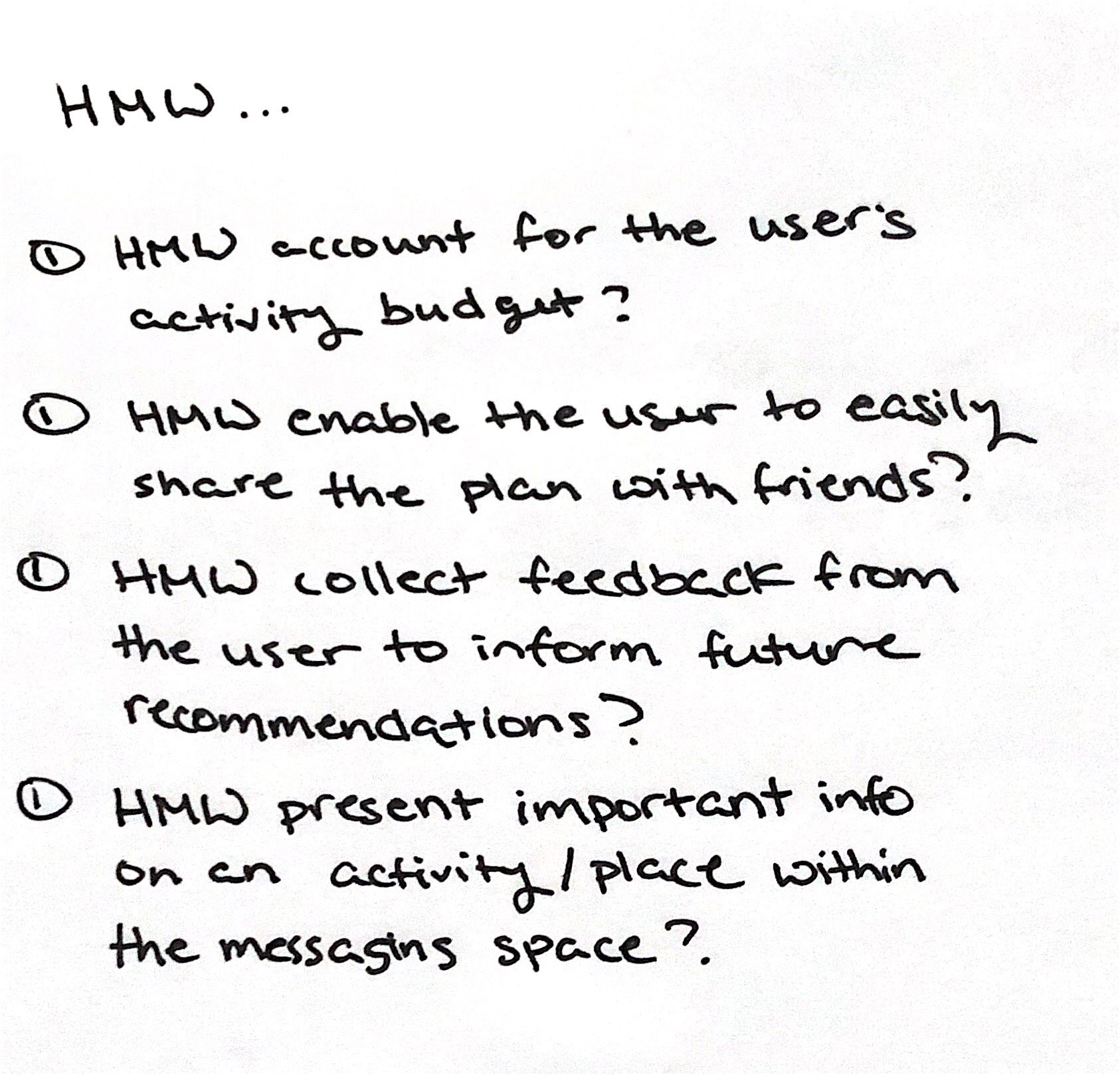
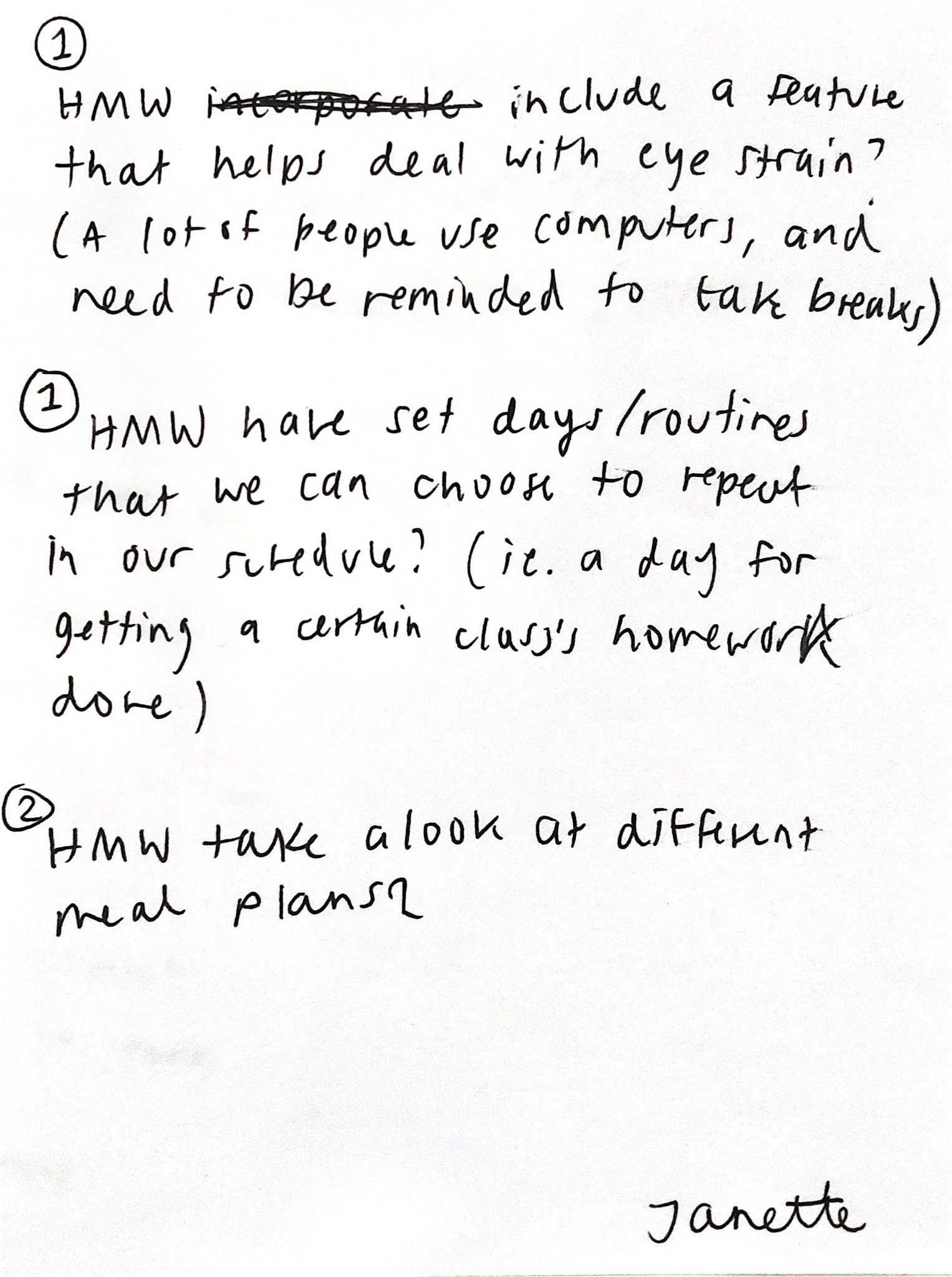
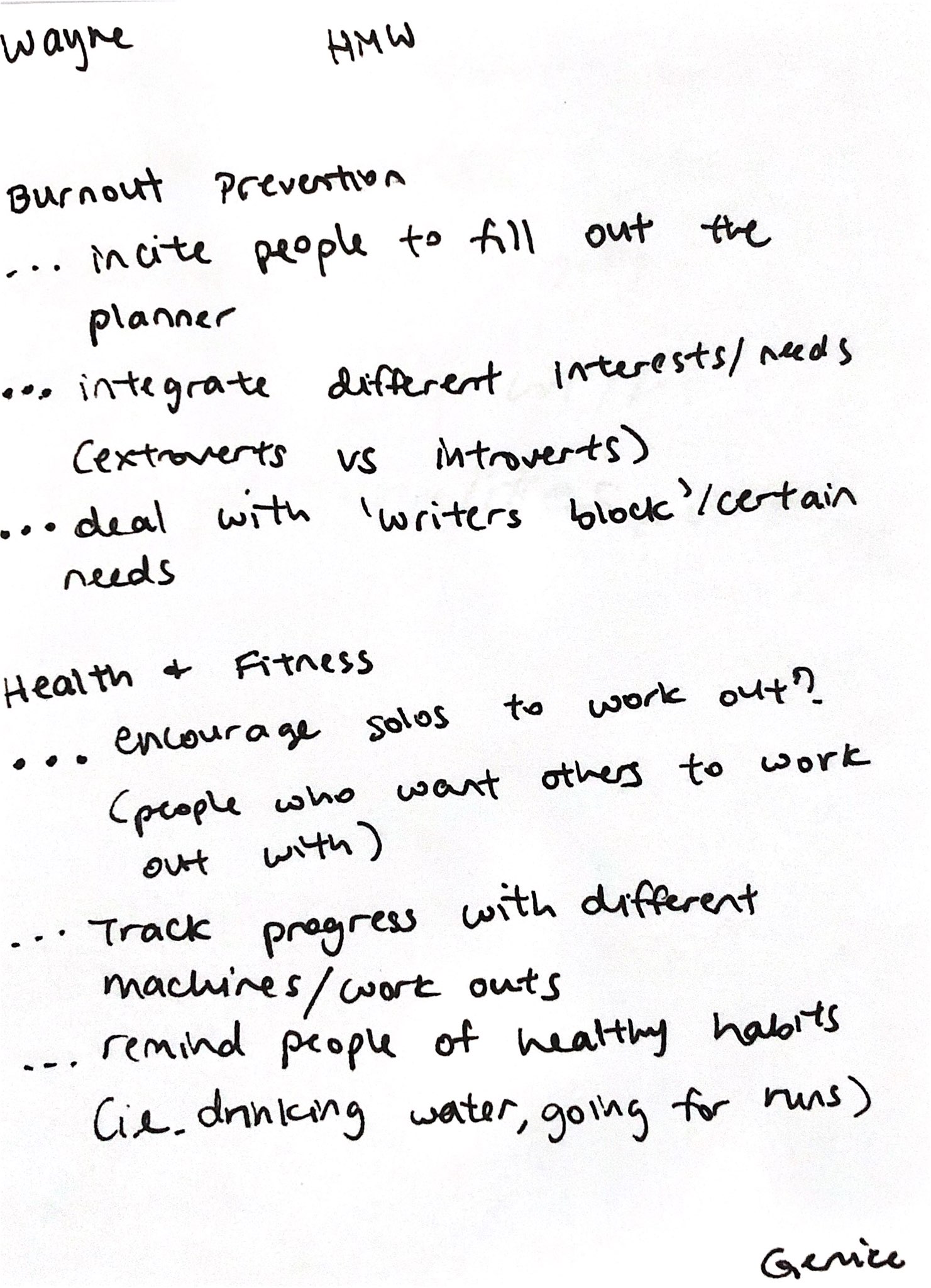
My main goal for this project was to create an engaging product which had potential for recurring usage. I started by thinking about problems which arose from day-to-day. Initially, burnout and autopilot was a problem which stood out to me. As the project progressed however, I realized these problems were heavy and complex—not something to be solved without proper research and resources.
In the end, I focused on designing an alternative solution for people to discover new interests and connect with others—with the intent and purpose of relieving burnout stress as a byproduct.
"One thing I've been doing is make a list and planning ahead of time, having a schedule helped me take off stress because I felt rewarded for crossing these things off."
"I think it's important to remind yourself that there is a lot more to life outside of working and studying. Having community building activities in college helped me feel better."
"I felt really stressed about graduating, but then I had someone tell me it's okay to take a break. It's important to take care of yourself first — school will still be there in four months."
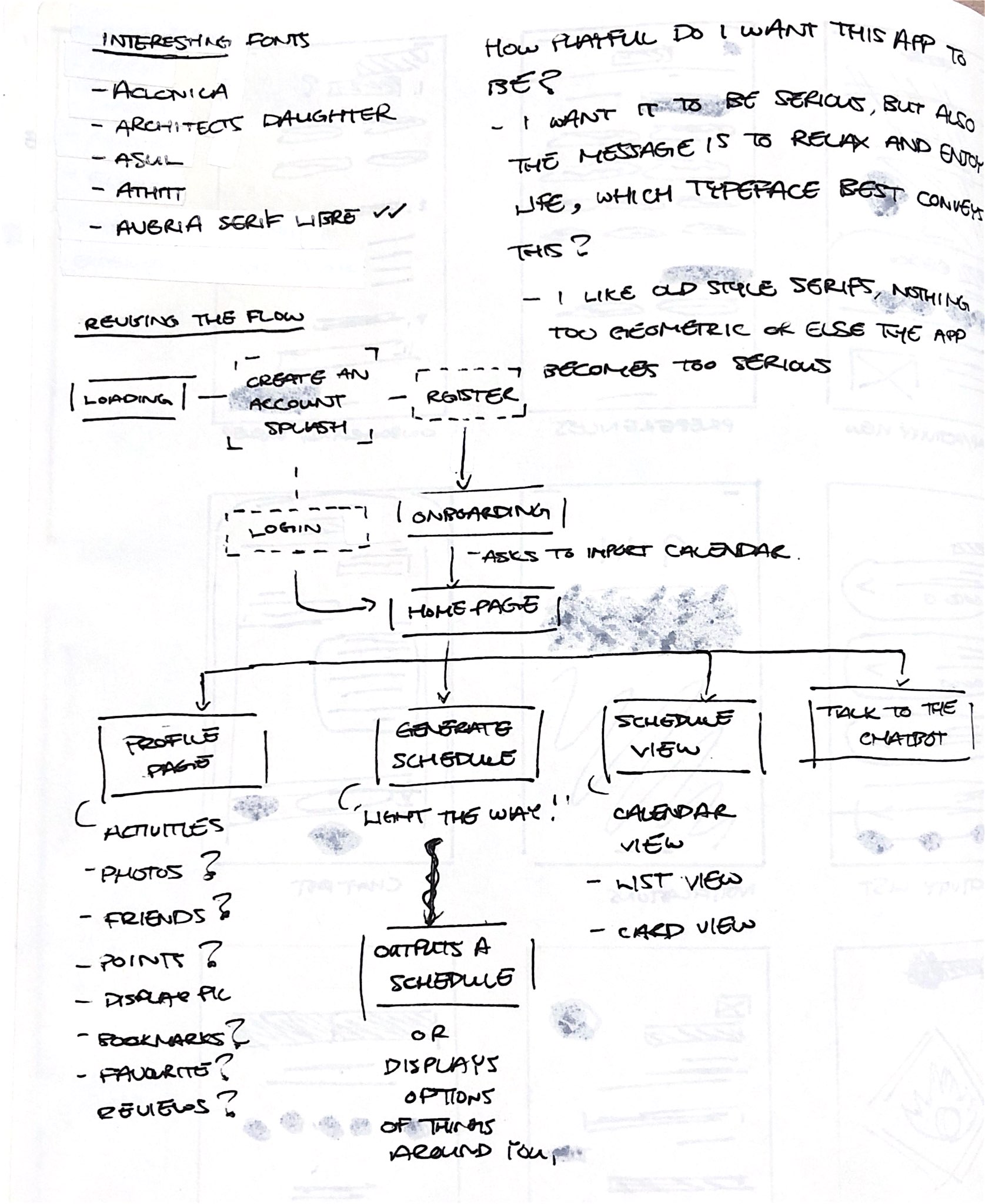
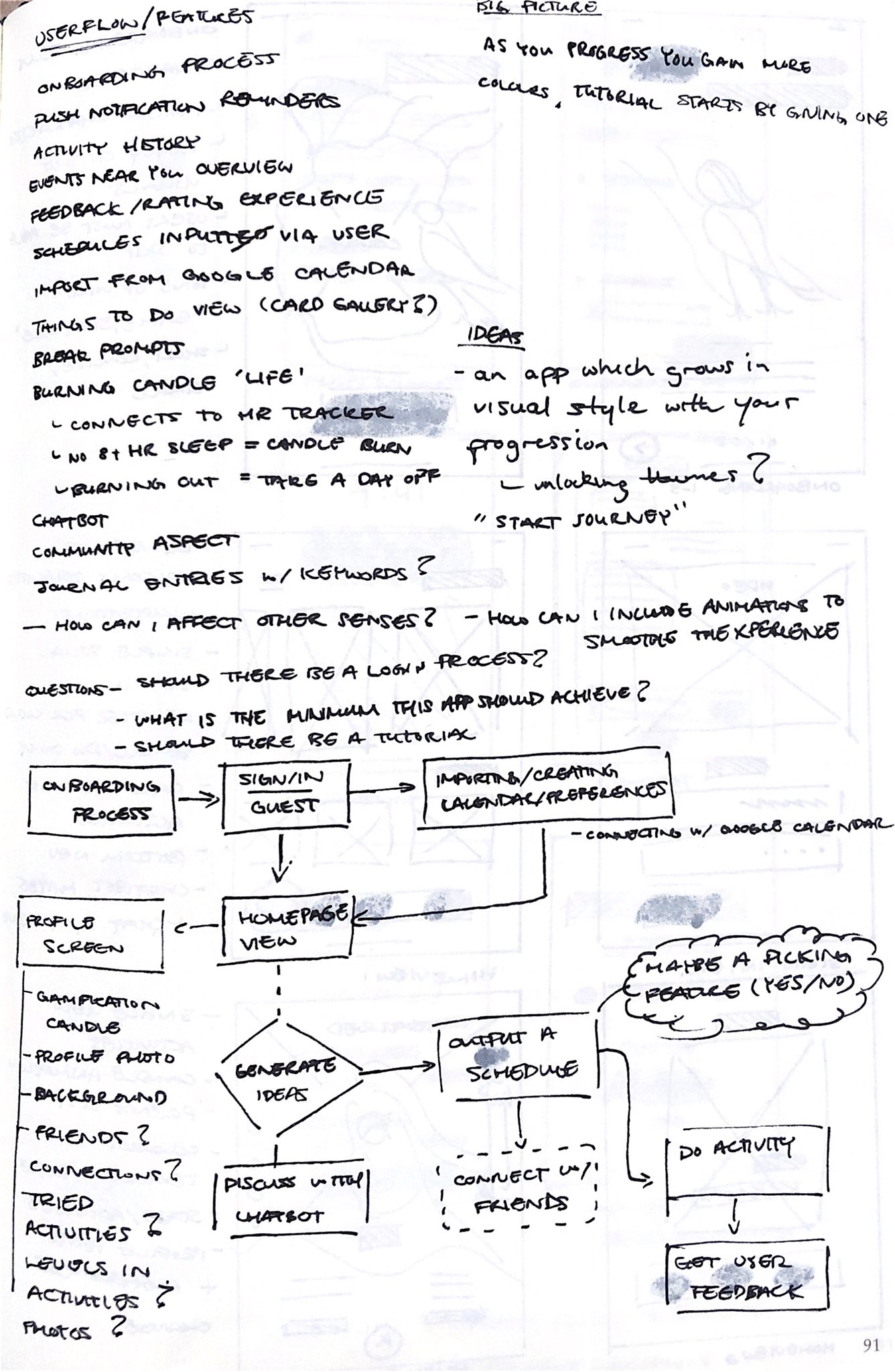
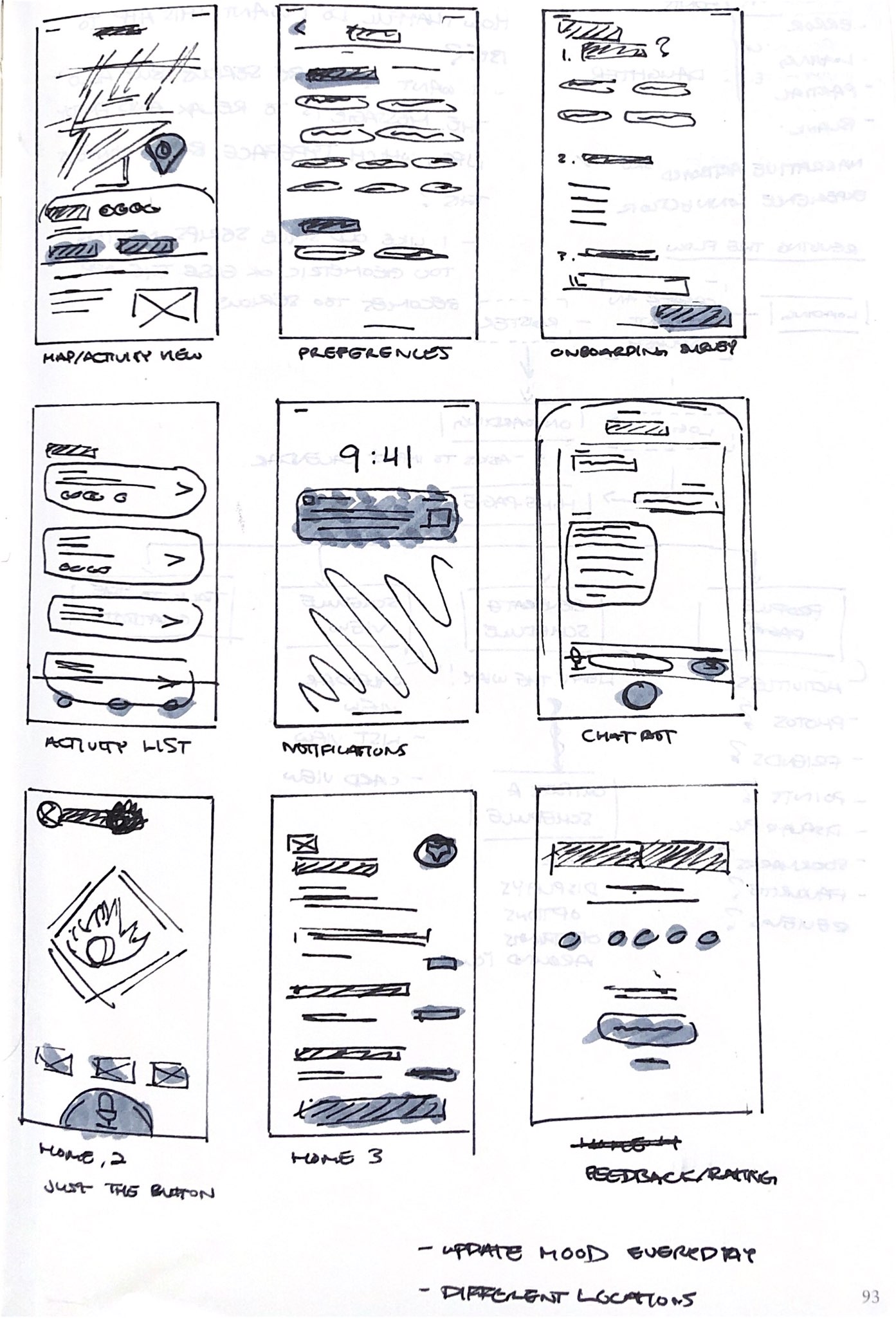
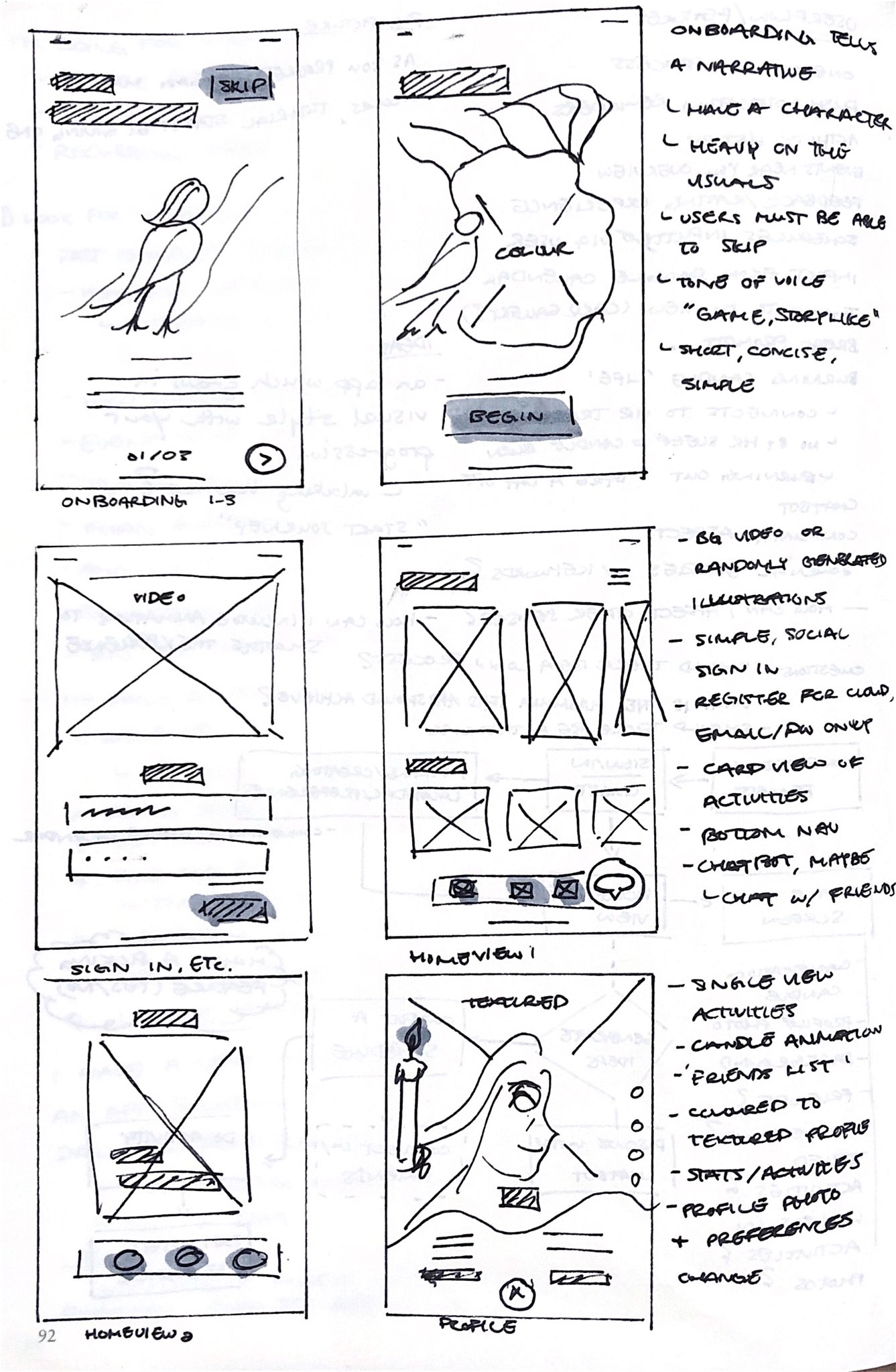
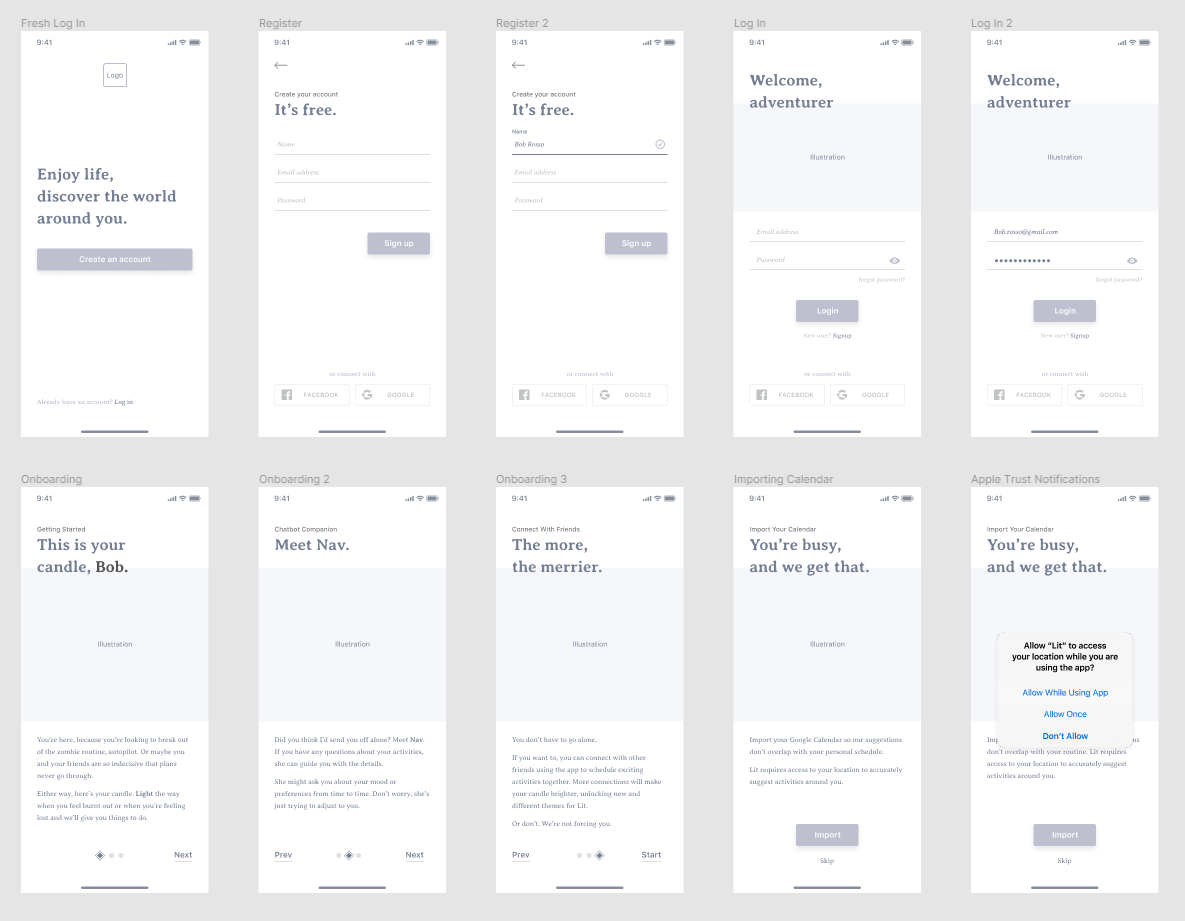
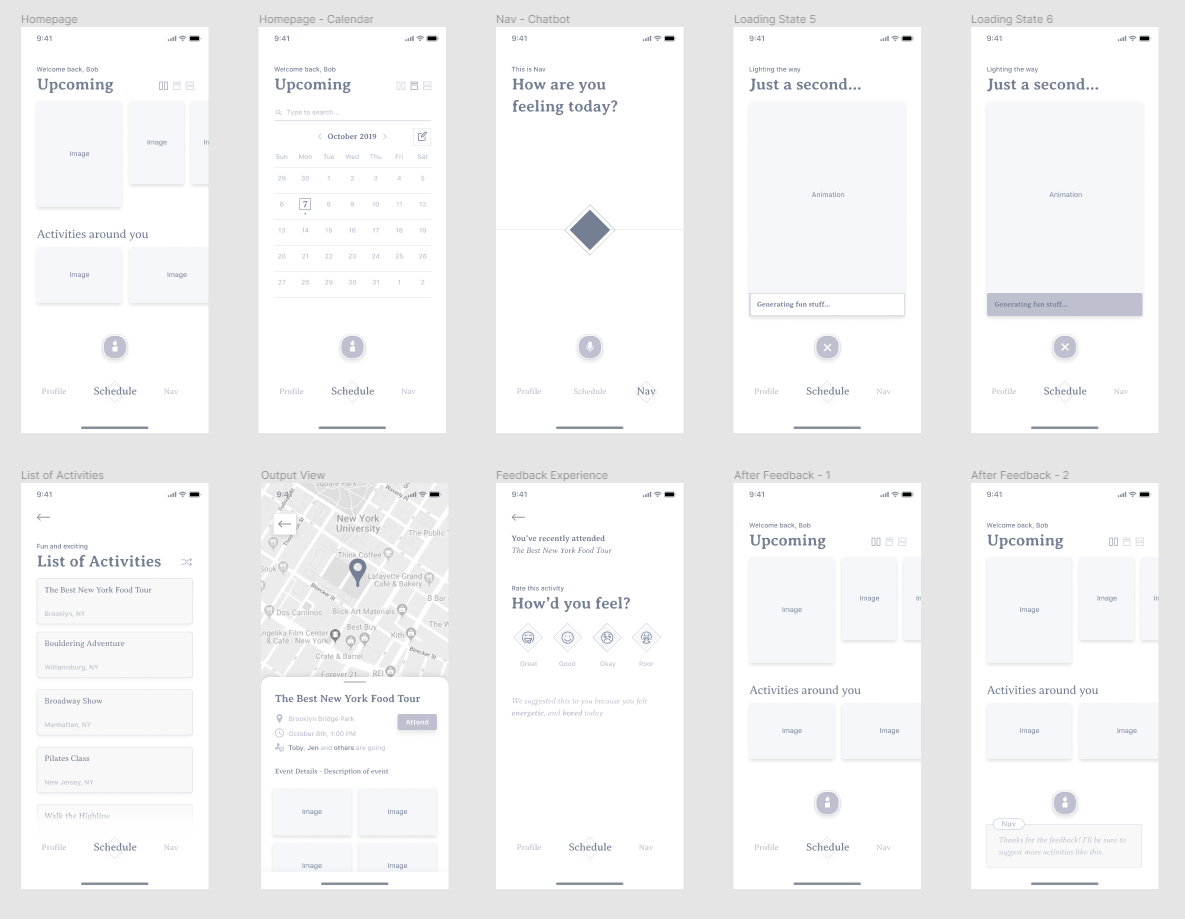
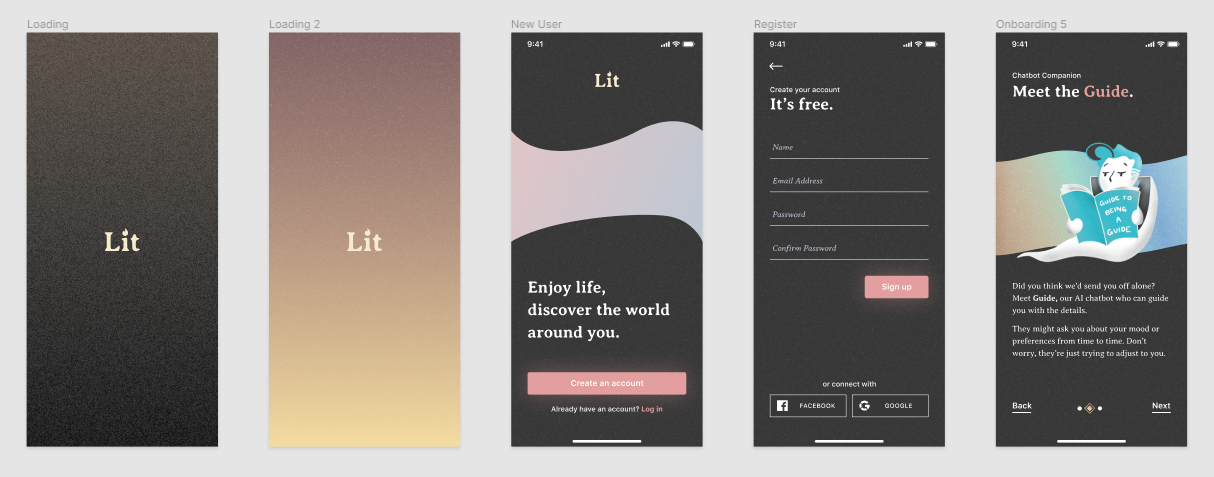
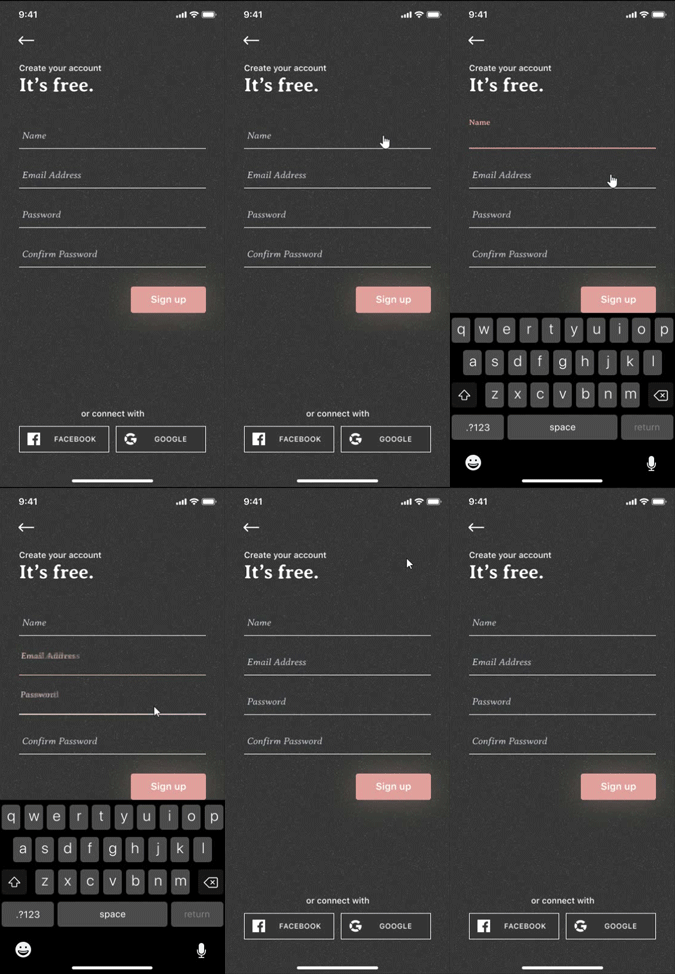
Throughout the course of the project, I did a lot of exploration and experimenting. I've learned more about accessibility practices and ways to organize components into a design system. Looking back, I could greatly improve on the accessibility aspect.
Thinking about edge cases — I had made the assumption that my target users would be able to use this app wherever they were located—however, when asked about users who lived in rural areas with no activities around their area, I was stumped. I think inclusive design is important, so the overall experience could greatly benefit if I were to go back and think about ways to be more inclusive.
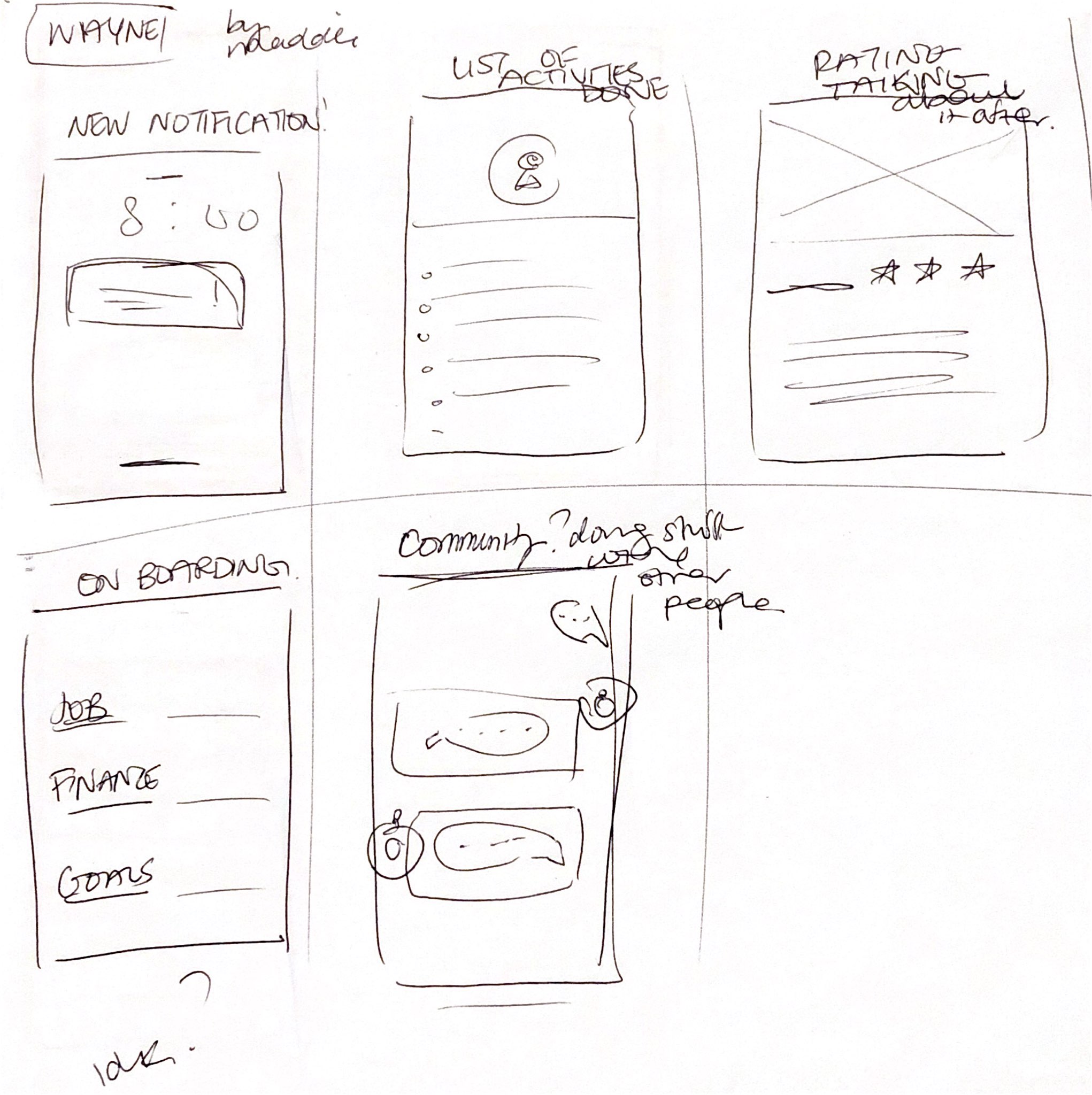
Before, during, and after the experience — one of the challenges and feedback I ran into was thinking about ways to implement app functionality before, during, and after the user experience. I focused a lot on the planning experience, but I learned to ask myself 'what's next?' or 'how do your users interact with your product?'